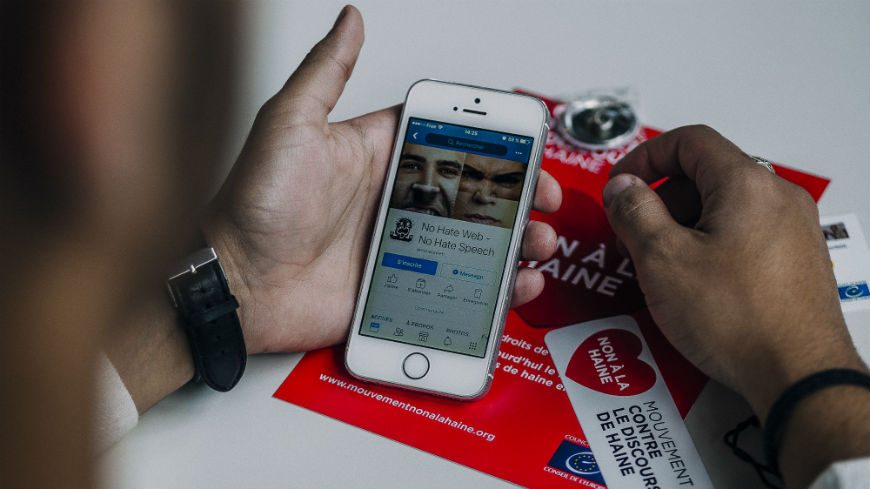
Reporting online hate

Sandy Hook

One way that we can all contribute to a safer and more civil internet, and a freer exchange of ideas, is to actively participate in the removal of hate when we come across it online. Hate and harassment of which you are NOT the direct focus, can be reported in one of two ways, either through the social media or internet providers flagging system or through the HONR Link Share Program, which helps evaluate and share links with other HONR Friends and Volunteers for mass flagging.

Direct flagging View Hide

Social media platforms suggest that “flagging” a post or photo that you believe is either illegal or a violation of their TOS (terms of service) is the most effective way of reporting hate. Each platform has it’s own procedure for flagging content. Look at the corners of a violating post or photo for a small flag icon or a group of dots or dashes that trigger a drop-down menu with different reporting or flagging options

HONR link share program View Hide

With tens of millions of posts and pictures flagged on social media platforms each WEEK, even the most serious hate and harassment posts can be ignored or go unaddressed for weeks or months if the content has only been flagged a few times.

To help identify and bring the most egregious instances of online hate and harassment to the attention of content moderators, we employ a “link share” program. Simply share a link in the form below, volunteers will review for legally unprotected content and TOS violations, and if appropriate, will forward the link to our network of volunteers globally who will each flag the post. This method of mass flagging has been extremely effective.

66% of harassment View Hide

Online harassment takes place on social media and app platforms. Since harassers often hide behind anonymity, these social media providers are often the only source of relief and protection for victims. Historically, less then 25% of harassment complaints online resulted in removal of harassing content or personal information. However, social media platforms are starting to take online harassment more seriously and are dedicating more funding to ending online harassment.*

Together, through empowerment, education, and advocacy we can effect change and create a safer more inclusive online experience for all.

Help us achieve this goal.

a target="_lank" href="https://www.gofndme.com/f/25nr3b-sandy-hook-lenny-pozner-legal-fund">
  • Legal achievements

    Legal achievements

    Lenny Pozner’s tireless pursuit of hoaxers and harassers who targeted him and his family in the wake of the Sandy Hook tragedy has resulted in legal precedent that makes it easier for other victims of online abuse to seek justice in court.

    Additionally, legislation is changing both in the US and around the world, to better reflect advances in technology.

    Keep up-to-date on legal achievements that protect us all from online abuse.

    Read more
  • Online hate and harassment

    1 in 5 american adults

    have experienced prolonged online hate and harassment campaigns classified as severe, including threats of violence, sexual harassment, mobbing, pressure to suicide, pressure to quit their job, harassment that continues offline, and stalking.*

    Together, through empowerment, education, and advocacy we can effect change and create a safer more inclusive online experience for all.

    Help us achieve this goal.

    Donate now